What Does an Interior Designer Actually Do — and When Do You Need One?
It's one of the most common questions we hear. The assumption is often that hiring a designer is about aesthetics — someone to pick furniture and choose paint colors. The reality is far more layered. A good designer shapes how you'll live in a space, not just how it looks from the doorway.
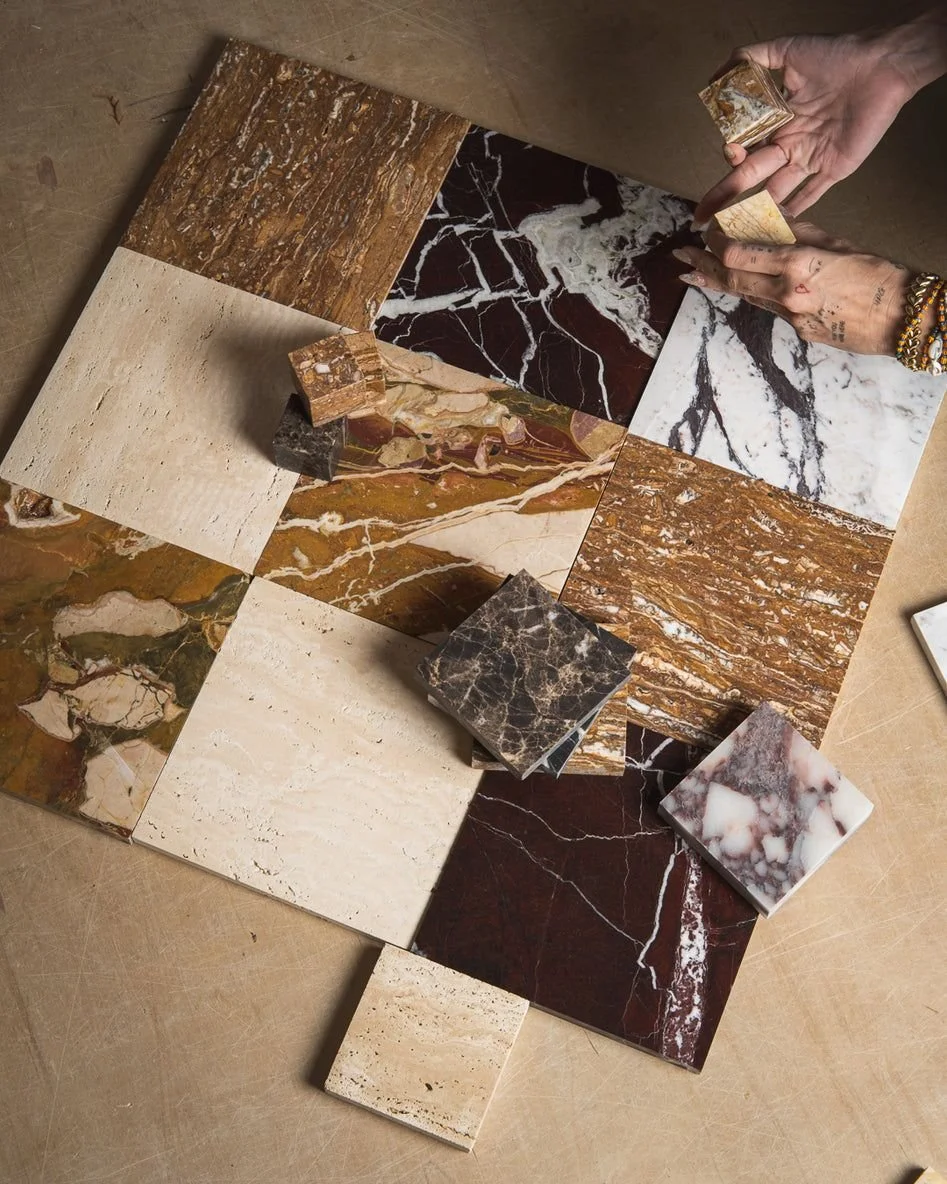
Design Samples
1. Discovery: It Starts Long Before Any Selections Are Made
Before a single item is sourced or a wall is touched, we spend time understanding your home, your life, and your vision. This phase is arguably the most important — and the one most people don't expect.
Why This Matters
Prevents costly mistakes: Understanding how you actually use a space — how natural light moves, where traffic flows, what frustrates you daily — informs every decision that follows.
Reveals what you actually want: Most clients come in knowing what they don't like far better than what they do. Discovery helps both parties get aligned.
Sets realistic expectations: Budget, timeline, scope — this is where those conversations happen, before they become surprises.
2. Concept & Design Development: The Vision Takes Shape
Once we understand the space and the client, we develop a design direction — spatial layouts, material palettes, mood references. This is the phase that feels most like 'design.'
Why This Matters
Cohesion: Every selection should serve the whole. A designer ensures your kitchen speaks to your hallway, your bedroom connects to your bath — the space reads as one story.
Access and expertise: We work with vendors, showrooms, and craftspeople not available to the general public. The right piece matters, and knowing where to find it matters just as much.
Drawings and documentation: Beyond pretty images, a designer produces the technical drawings, elevations, and specifications that contractors actually build from.
3. FF&E and Installation: Where It All Comes Together
Furniture, fixtures, and equipment — sourcing and coordinating all of it requires project management as much as taste. And on installation day, every piece needs to land in exactly the right place.
Why This Matters
Logistics are complex: Lead times, delivery windows, contractor coordination — managing these moving pieces is a full-time job during any project.
The final 10% is the whole point: Styling, adjusting, stepping back and assessing — these finishing touches are what separate a furnished house from a designed home.
You're protected: A designer manages vendor relationships and holds contractors accountable in ways that most homeowners simply can't.
A great interior designer is part artist, part project manager, part translator — turning what you can barely articulate into a home that feels unmistakably yours. If you've been wondering whether hiring one is worth it, that question usually answers itself once the project is done.
